
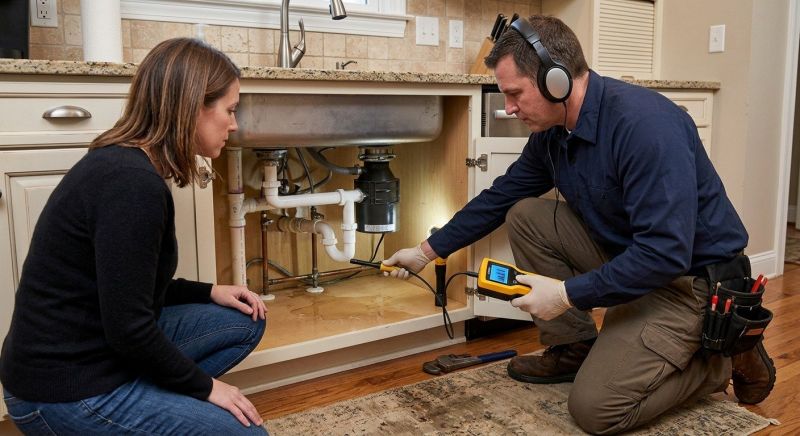
Pipe Leak Detection in Denver, CO
Pipe leak detection services involve specialized methods to identify hidden leaks within plumbing systems, walls, floors, or underground pipes. These services are commonly requested for residential properties experiencing unexplained water bills, damp spots, or reduced water pressure. Projects may include locating leaks in main water lines, sprinkler systems, or interior plumbing, helping property owners understand the source of water loss without unnecessary damage or invasive procedures.
Homeowners typically want to know how leaks are detected without extensive disruption to their property and what signs indicate a potential leak. Understanding the scope of the detection process, including the use of advanced equipment like acoustic sensors or thermal imaging, can help in making informed decisions. Contacting a professional for leak detection can prevent further water damage and ensure repairs are targeted accurately, saving time and resources.
Many property owners in Denver, CO look into Pipe Leak Detection for repairs, replacements, upgrades, and appearance-related improvements.
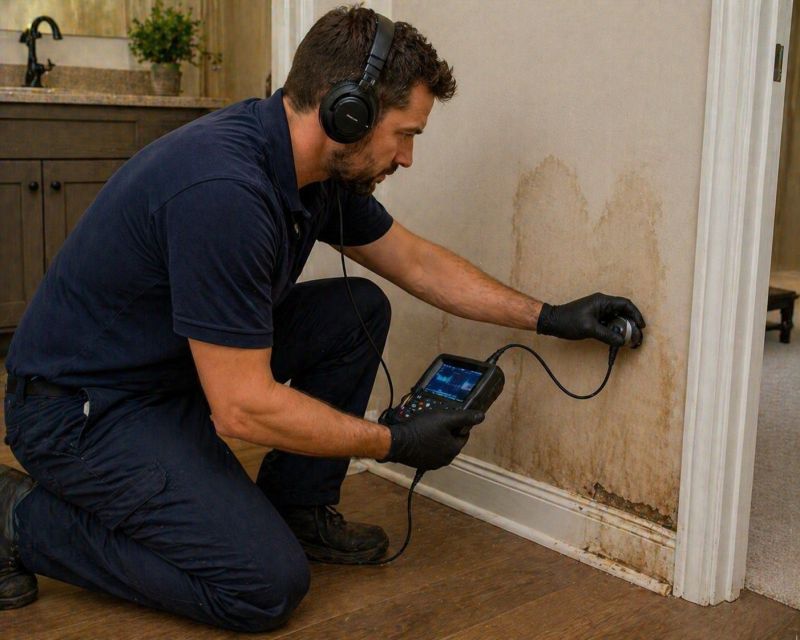
Identifying Hidden Leaks
Advanced detection methods help locate leaks that are concealed behind walls or underground.
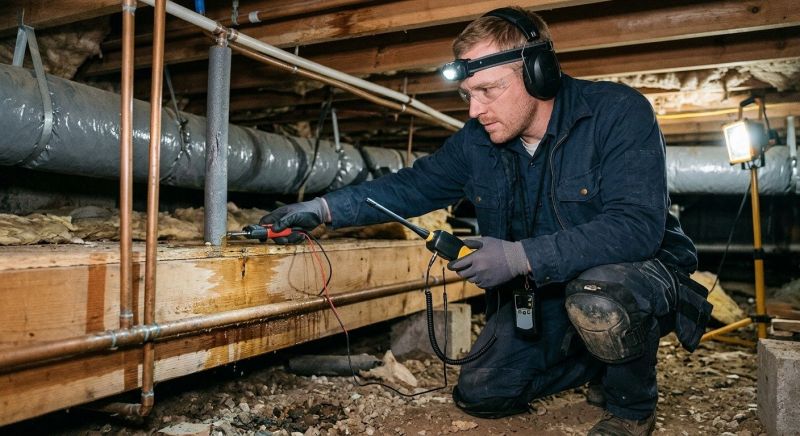
Preventing Water Damage
Early leak detection reduces the risk of costly repairs and property damage in homes and commercial buildings.
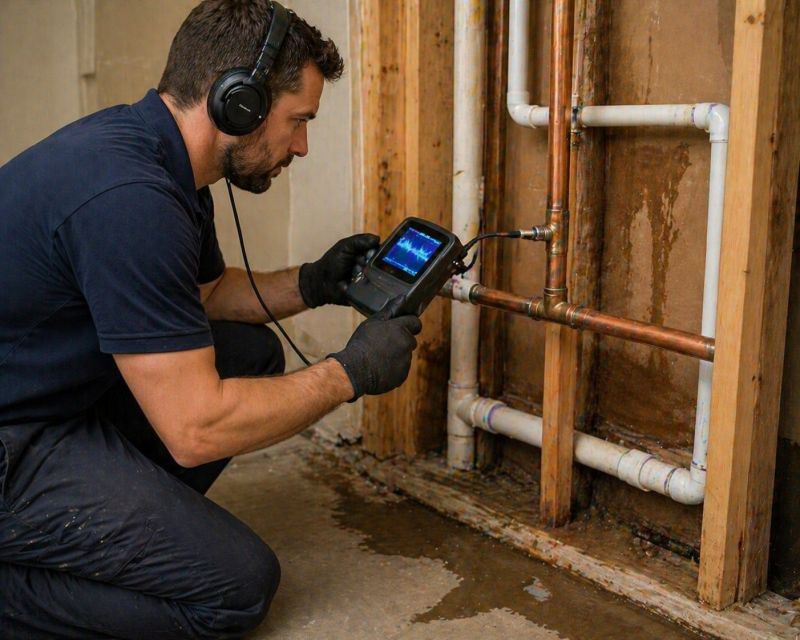
Ensuring Plumbing Integrity
Accurate leak detection ensures the longevity of plumbing systems and helps maintain property value in denver and surrounding areas.
Pipe Leak Detection in Denver, CO
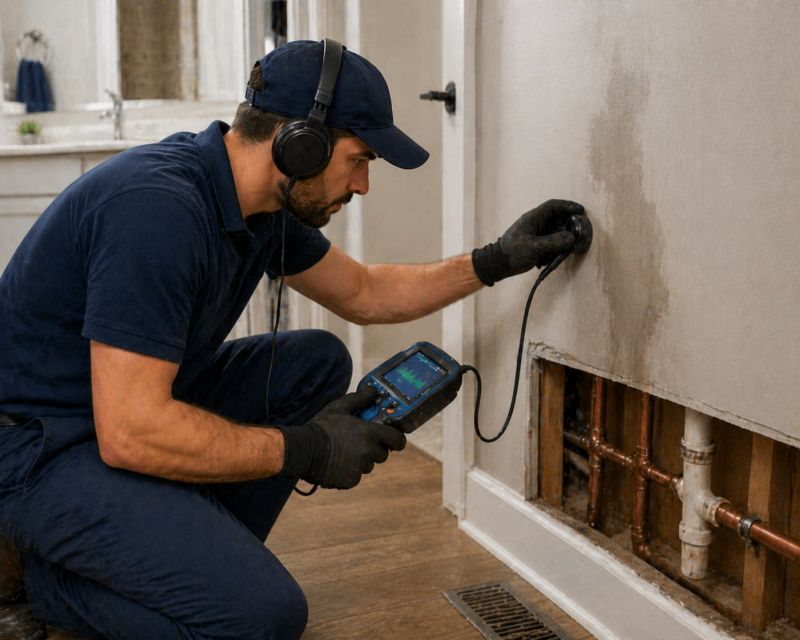
Pipe leak detection services involve specialized methods to identify hidden leaks within plumbing systems, walls, floors, or underground pipes. These services are commonly requested for residential properties experiencing unexplained water bills, damp spots, or reduced water pressure. Projects may include locating leaks in main water lines, sprinkler systems, or interior plumbing, helping property owners understand the source of water loss without unnecessary damage or invasive procedures.
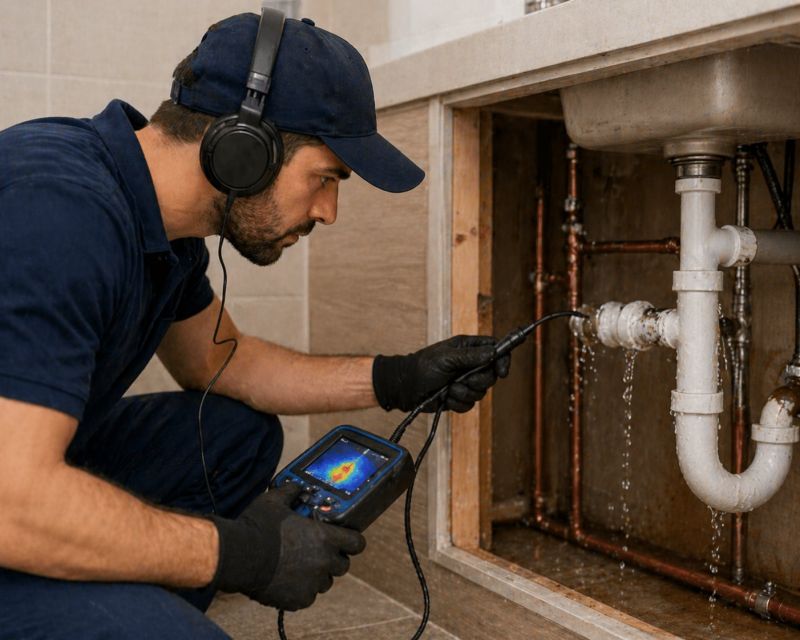
Homeowners typically want to know how leaks are detected without extensive disruption to their property and what signs indicate a potential leak. Understanding the scope of the detection process, including the use of advanced equipment like acoustic sensors or thermal imaging, can help in making informed decisions. Contacting a professional for leak detection can prevent further water damage and ensure repairs are targeted accurately, saving time and resources.
Many property owners in Denver, CO look into Pipe Leak Detection for repairs, replacements, upgrades, and appearance-related improvements.
Common Pipe Leak Detection Jobs
Residential plumbing inspections - detect hidden leaks in pipes behind walls and beneath floors.
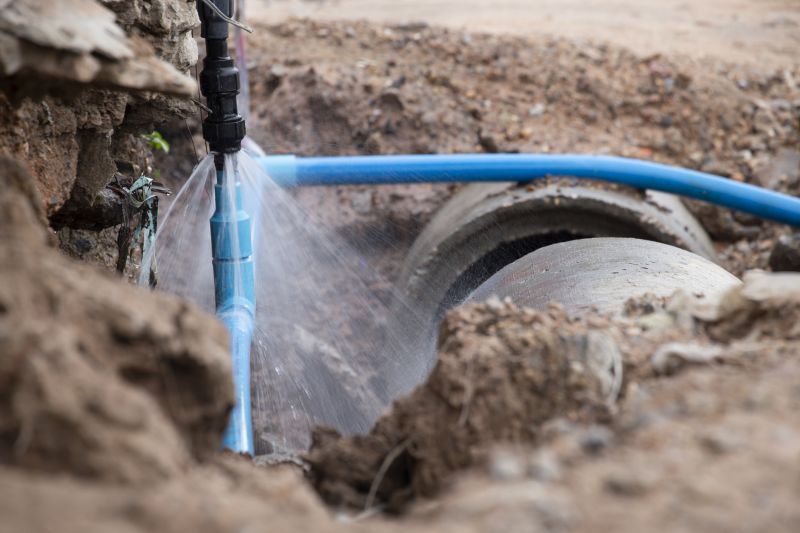
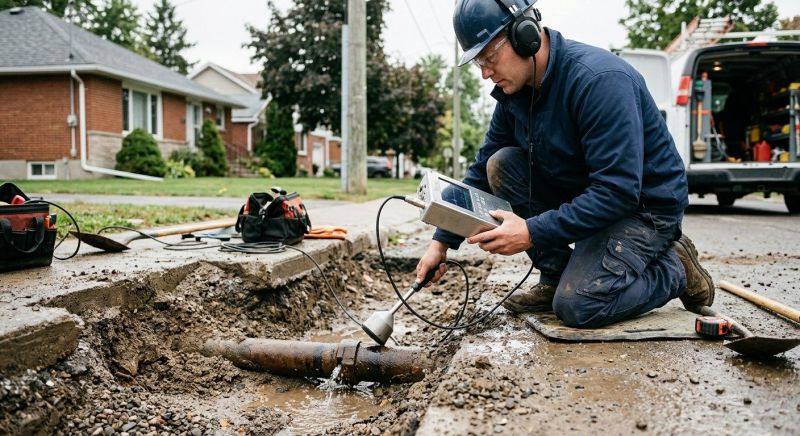
Underground pipe testing - identify leaks in buried water lines without extensive digging.
Commercial property leak detection - locate leaks in complex plumbing systems of office buildings and retail spaces.
Emergency leak locating - quickly find leaks causing water damage or loss in urgent situations.
Slab leak detection - pinpoint leaks beneath concrete slabs to prevent structural damage.
Water line leak detection - identify leaks in main water lines to reduce water waste and prevent damage.
Pipe Leak Detection Questions
How can I tell if I have a pipe leak? Signs include unexplained increases in water bills, damp spots on walls or floors, and the sound of running water when fixtures are off.
What areas do pipe leak detection services cover? Services typically identify leaks in common areas such as basements, crawl spaces, behind walls, and under slabs.
Are pipe leaks difficult to locate? Leak detection uses specialized tools to precisely identify the leak location without unnecessary damage to property.
Why should property owners consider professional leak detection? It helps prevent further damage, reduces repair costs, and ensures leaks are accurately found and addressed.
Request Pipe Leak Detection in Denver, CO
Use the quote form on this page to share the basics of your project and request more information for the type of work you need.