
Compare Local Contractors for Grease Trap Pumping Services
Compare local contractors for grease trap pumping to define scope, verify experience, and set clear expectations for a reliable service experience.
Contractors specializing in grease trap pumping typically handle the removal of accumulated fats, oils, and solids from commercial and industrial grease traps. This work involves safely extracting the build-up to prevent clogs, backups, and potential sanitation issues. Proper pumping not only maintains the functionality of the trap but also helps ensure compliance with health and safety standards. When engaging with service providers, property owners should clearly define the scope of work, including the frequency of pumping, any cleaning or inspection services needed, and specific site considerations to ensure the job meets operational requirements.
Defining the scope of grease trap pumping services is essential for setting clear expectations and avoiding misunderstandings. A detailed scope might specify the size and type of traps, the extent of cleaning required, and any additional maintenance tasks. Having this information in writing helps property owners compare different contractors effectively, ensuring that each provider understands what’s expected and can deliver consistent service. Clear scope definitions also support accountability, making it easier to evaluate whether a contractor’s proposal aligns with the property’s needs.
When choosing among local contractors for grease trap pumping, property owners should consider experience, reputation, and the scope of services offered. It’s practical to verify how long a contractor has been operating in the area and whether they have handled similar projects. Comparing the services included, such as cleaning, inspection, or maintenance, can help identify which provider offers the most comprehensive and reliable options. Property owners are encouraged to ask for written descriptions of the scope, verify references if available, and ensure that the contractor’s approach aligns with the specific requirements of their property to make an informed decision.
Compare local contractors by outlining your priorities, verifying experience, and setting clear expectations in writing.
- Experience Verification - Ensure contractors have relevant experience handling grease trap pumping for similar property types.
- Scope Definition - Clearly define the services included to prevent misunderstandings and set proper expectations.
- Written Agreements - Obtain detailed, written descriptions of work to confirm the scope and responsibilities.
- Comparison of Service Providers - Evaluate multiple local contractors to find those best suited for the specific grease trap pumping needs.
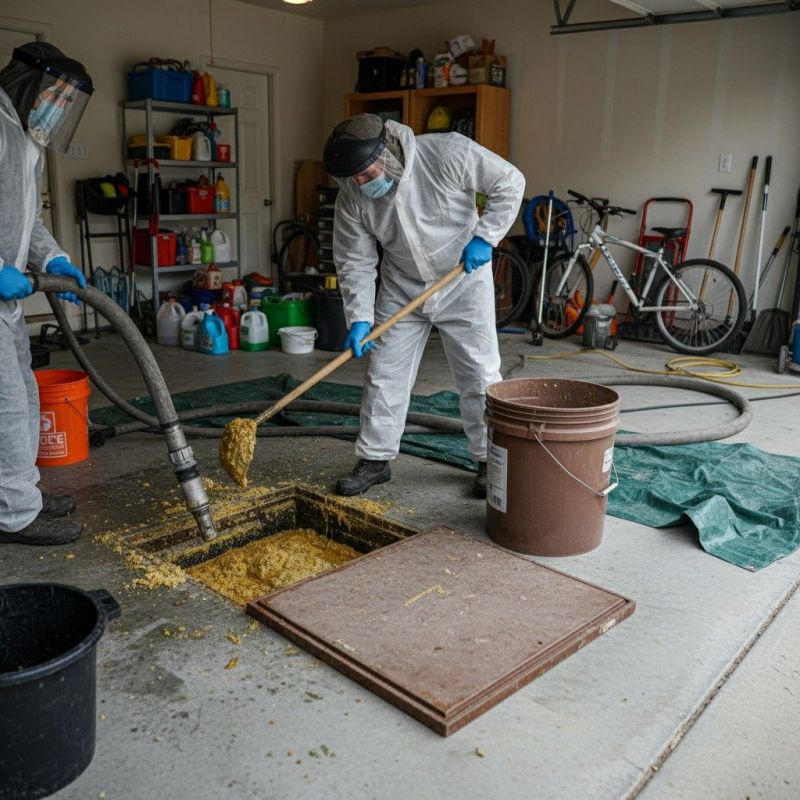
Clearly describe your grease trap pumping project to help local contractors compare options and set clear expectations.
- Verify the contractor’s experience with grease trap pumping to ensure they understand proper procedures. - Consider how long the service provider has been performing grease trap maintenance in your area.
- Check that the scope of work includes thorough cleaning and removal of accumulated grease and solids. - Ensure the contractor clearly defines what parts of the grease trap will be serviced during the job.
- Review the service provider’s process for inspecting and assessing the condition of the grease trap. - Look for professionals who evaluate the trap’s overall condition and identify potential issues.
- Confirm that the contractor provides a detailed written description of the services to be performed. - A clear scope of work helps set expectations and avoids misunderstandings.
- Ensure the service provider follows proper disposal procedures for waste materials. - Proper handling and disposal of grease and solids are essential for compliance and environmental safety.
- Compare multiple local contractors to assess their experience, scope, and clarity of service descriptions. - Gathering information from different providers helps identify the most suitable option for grease trap pumping needs.
Compare local contractors, clarify scope, verify experience, and set clear expectations in writing.
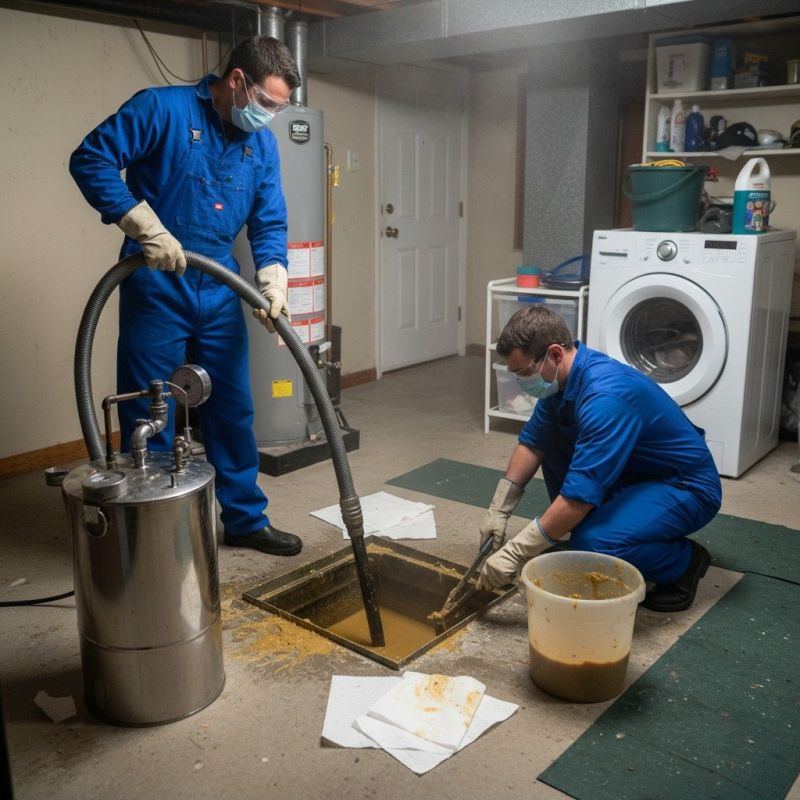
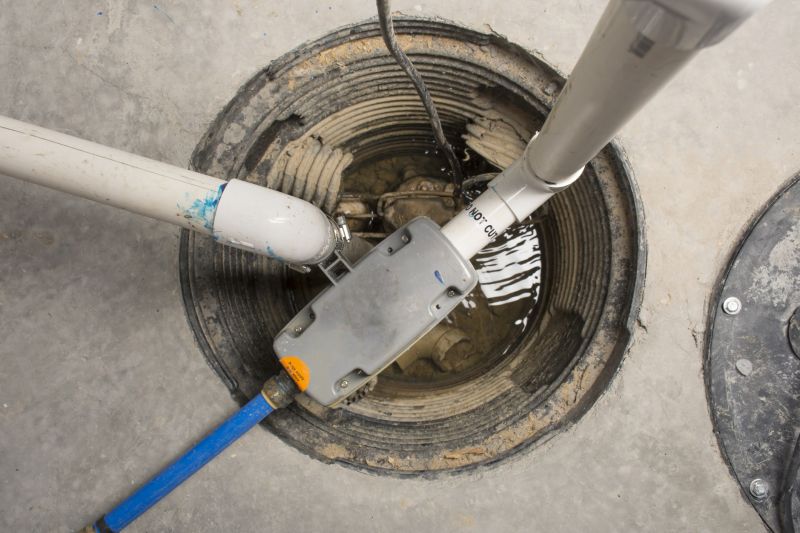
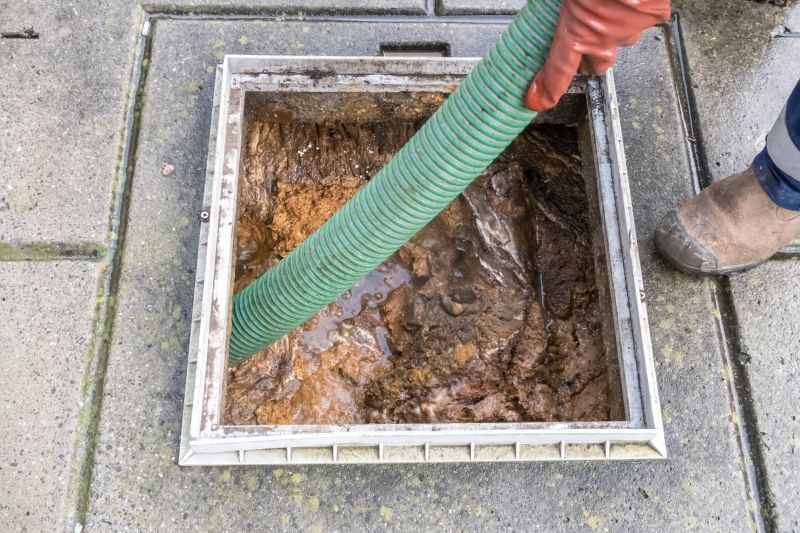
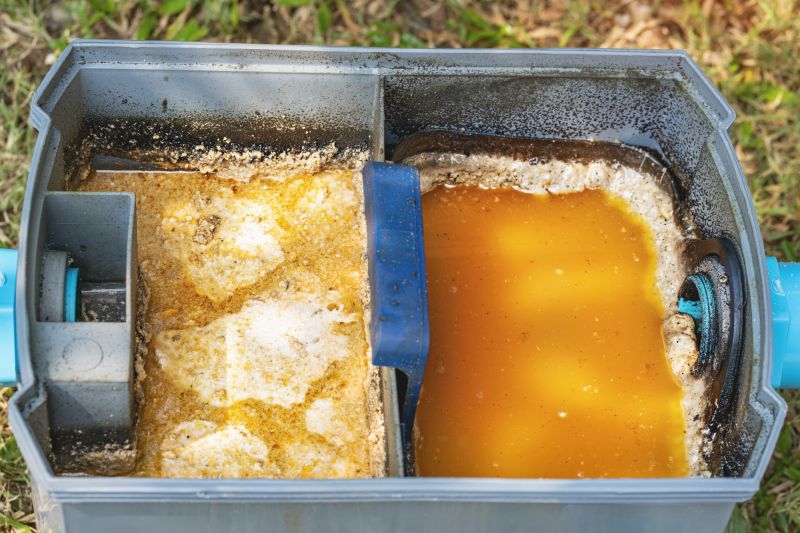
Learn how to compare, define scope, verify experience, and set clear expectations with local contractors for grease trap pumping.
- Scope Definition - Clearly outline the extent of grease trap pumping services required, including the size and location of the trap.
- Service Details - Specify the tasks involved, such as removal, cleaning, and disposal procedures for the grease trap.
- Experience Verification - Confirm that service providers have relevant experience with grease trap pumping in similar facilities.
- Written Agreement - Ensure all scope, responsibilities, and expectations are documented in a formal agreement.
- Compliance Requirements - Identify any local regulations or standards that the service provider must adhere to during the job.
When comparing contractors for grease trap pumping, it’s important to consider their experience with similar projects. Service providers with a proven track record in handling grease trap maintenance for facilities comparable in size and industry can offer insights into their familiarity with common challenges and best practices. Asking about the types of properties they’ve serviced and the scope of past projects can help gauge whether they have the relevant expertise to meet specific needs. An experienced contractor is more likely to understand the nuances of proper grease trap maintenance, ensuring the job is completed effectively and efficiently.
A clear, written scope of work is essential when evaluating grease trap pumping contractors. This document should outline exactly what services will be performed, including the frequency of pumping, inspection procedures, and any additional maintenance tasks. A well-defined scope helps prevent misunderstandings and ensures that both parties have aligned expectations. When reviewing proposals or estimates, look for detailed descriptions of the work involved, and avoid contractors who provide vague or overly general statements. Clear documentation supports accountability and makes it easier to compare options objectively.
Verification basics involve confirming that contractors have the necessary experience and a solid understanding of proper grease trap maintenance practices. Request references or examples of recent projects similar to yours, and consider speaking with previous clients if possible. Additionally, inquire about the equipment and methods they use to ensure thorough cleaning and inspection. Verifying that contractors follow industry standards and best practices can help identify those who prioritize quality and reliability. This step is crucial in selecting a service provider capable of delivering consistent, professional results.
Evaluating options without focusing on prices involves assessing the quality of service and the contractor’s approach to the work. Consider how well each provider communicates their scope, their experience with similar projects, and their reputation in the community. Review the clarity of their written proposals and the thoroughness of their explanations. It’s also helpful to compare the level of detail provided about their processes and the methods they plan to use. By focusing on the professionalism and transparency of each service provider, homeowners can make informed decisions that align with their maintenance needs and expectations.
Request written scope details from local contractors to ensure clear expectations and consistent service.
- **Scope of Services** - What specific tasks are included in the grease trap pumping services offered by different contractors?
- **Experience and Expertise** - How long have the service providers been performing grease trap pumping, and what types of facilities have they served?
- **Equipment and Methods** - What equipment and techniques do local contractors use to ensure thorough and effective grease trap pumping?
- **Service Expectations** - How do contractors define the scope of work in writing to ensure clarity and avoid misunderstandings?
- **Comparison Criteria** - What key factors should be considered when comparing the scope and capabilities of different grease trap pumping service providers?
What should I consider when choosing a grease trap pumping contractor? It's important to compare the experience, reputation, and scope of services offered by different service providers to ensure they meet specific needs.
How can I verify a contractor’s experience with grease trap pumping? Ask for details about their previous work, client references, and the types of systems they have serviced to gauge their expertise.
Why is it important to define the scope of work in writing? Having a clear, written description of the services ensures both parties agree on what is included, helping to prevent misunderstandings.
What questions should I ask a contractor before hiring for grease trap pumping? Inquire about their process, equipment used, experience with similar systems, and whether they provide detailed work estimates.
How can I compare different contractors effectively? Review their service offerings, experience, reputation, and the clarity of their communication to determine which best aligns with project needs.
Is it necessary to get everything in writing before work begins? Yes, having all expectations, scope, and responsibilities documented helps ensure smooth coordination and accountability.
This page has provided an overview of key considerations when selecting contractors for grease trap pumping services. Visitors have learned the importance of clearly defining the scope of work, verifying the experience of service providers, and establishing written expectations to ensure a smooth process. Comparing options among nearby contractors can help find the right fit for specific needs.
Using the quote form allows for easy comparison of local service providers, helping to identify options that align with individual project requirements. By reaching out through the form, visitors can gather information and connect with trusted contractors who can handle grease trap pumping jobs efficiently and reliably.