
Compare Local Contractors for Rough Plumbing Installation Services
Compare local contractors for rough plumbing installation to define scope, verify experience, and set clear expectations, ensuring a smooth and reliable project.
Rough plumbing installation typically involves setting up the foundational water supply and drainage systems within a property. This includes installing large pipes, fittings, and fixtures that form the core infrastructure for both residential and commercial buildings. The work often covers trenching, pipe layout, connection to municipal water sources, and ensuring the main lines are properly positioned before the finishing plumbing work begins. Proper installation during this stage is essential for the overall functionality and longevity of the plumbing system, making it a critical step in any new construction or major renovation project.
Clearly defining the scope of rough plumbing installation is vital to ensure all parties have aligned expectations and understand the extent of work involved. A well-detailed scope includes specific tasks such as the types of pipes to be used, locations for main lines and branch lines, and any necessary preparations for future fixtures. This clarity helps property owners avoid misunderstandings, reduces the risk of costly revisions later, and provides a basis for comparing different service providers. When scope details are documented in writing, it becomes easier to review proposals, verify experience, and ensure that the chosen contractor has the capacity to handle the project’s specific requirements.
Property owners seeking to compare local contractors for rough plumbing installation should consider several practical factors. First, review each provider’s experience with similar projects, paying attention to their familiarity with the type and scale of work needed. It’s also helpful to verify that the contractors understand the scope of work and can deliver detailed, written proposals outlining their approach. Comparing the level of professionalism, transparency, and communication can reveal how well each service provider can meet expectations. By evaluating these aspects, property owners can select a local contractor capable of executing the rough plumbing installation effectively and in line with project specifications.
Compare local contractors by outlining project priorities, verifying experience, and setting clear expectations in writing.
- Verify Experience and Credentials - Ensure contractors have relevant experience in rough plumbing installation to meet project requirements.
- Define Project Scope Clearly - Communicate specific needs and expectations to help contractors provide accurate assessments.
- Compare Service Providers - Review qualifications, references, and past work to evaluate the suitability of different contractors.
- Document Agreements in Writing - Establish clear, detailed contracts outlining scope, responsibilities, and expectations before work begins.
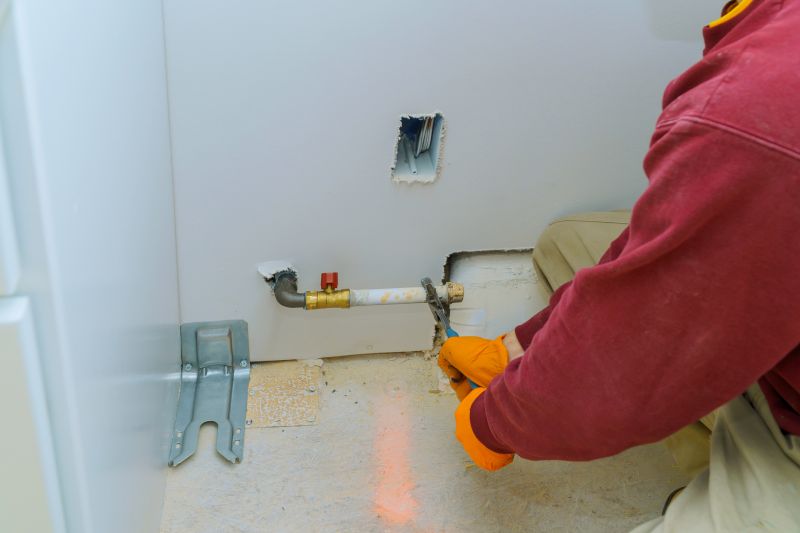
Before comparing contractors, clearly describe your rough plumbing project scope to ensure accurate evaluations.
- Verify the contractor’s experience with residential rough plumbing installations to ensure familiarity with project scope. - Consider how well the service provider understands local building codes and plumbing standards.
- Ensure the scope of work is clearly defined in writing, including pipe types, materials, and installation procedures. - Look for contractors who provide detailed project descriptions to prevent misunderstandings.
- Assess the contractor’s ability to plan the layout and routing of plumbing lines accurately before installation begins. - Confirm that they can coordinate with other trades to avoid conflicts during rough-in work.
- Check that the contractor reviews and approves all plans and specifications before starting the installation. - Make sure the scope aligns with your expectations and project requirements.
- Confirm the contractor’s approach to verifying proper pipe sizing and placement during installation. - Proper measurements and positioning are essential for functional plumbing systems.
- Ensure the service provider emphasizes thorough documentation of work performed for future reference and inspections. - Proper record-keeping helps facilitate inspections and project completion.
Compare local contractors' experience and clarify project scope to ensure smooth rough plumbing installation.
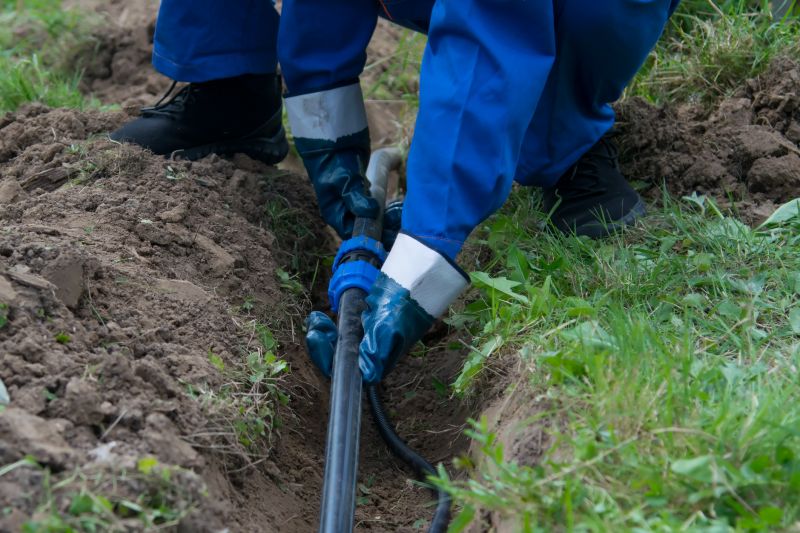
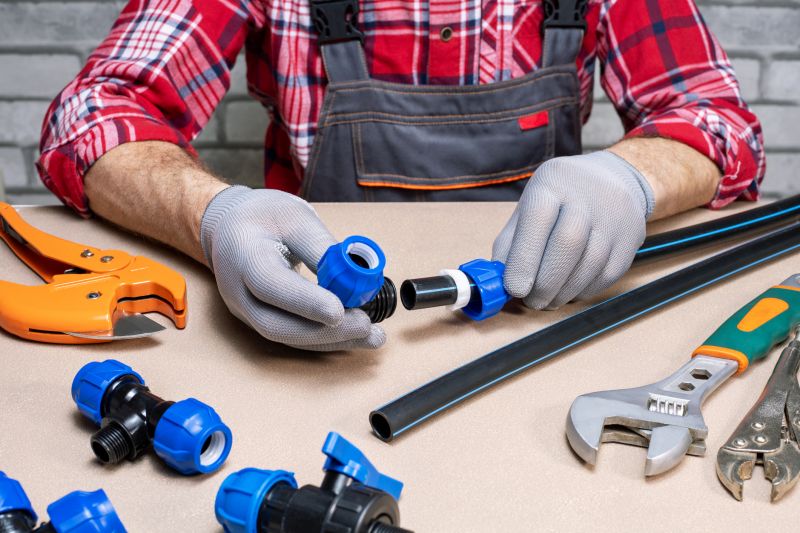
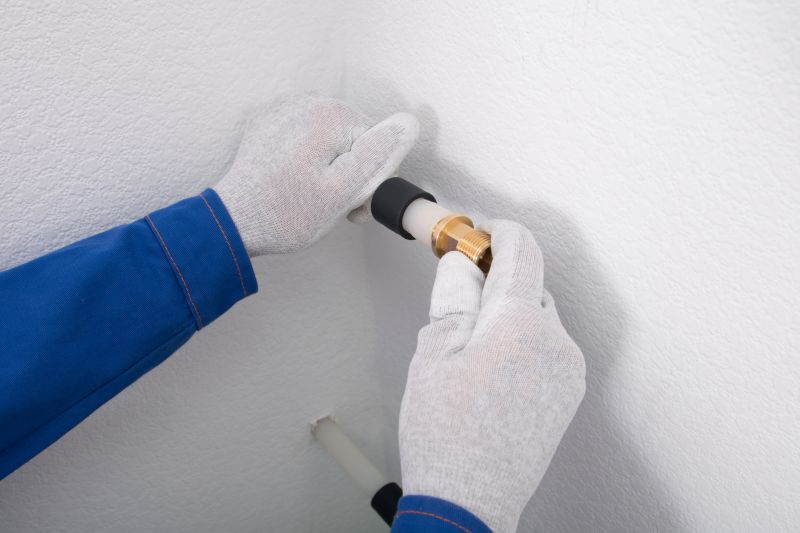
To compare contractors effectively, focus on defining the scope, verifying experience, and documenting expectations clearly.
- Scope Definition - Clearly outline the specific plumbing systems and areas to be installed or modified during rough plumbing work.
- Material Specifications - Specify the types and sizes of pipes, fittings, and fixtures that will be used in the installation.
- Installation Standards - Establish the required codes, best practices, and quality standards that local contractors should follow.
- Site Preparation - Identify the conditions and preparations necessary for proper access and installation of plumbing infrastructure.
- Documentation and Expectations - Ensure detailed written descriptions of work scope, responsibilities, and deliverables are agreed upon.
When comparing contractors for rough plumbing installation, it’s important to assess their experience with similar projects. Homeowners should look for service providers who have a proven track record of handling projects of comparable size and complexity. This can include reviewing the types of properties they have worked on and the specific plumbing systems they have installed. A contractor’s familiarity with local building codes and common challenges in the area can also indicate their capability to deliver a reliable installation that meets standard requirements.
Having a clear, written scope of work is essential for ensuring all parties are aligned on project expectations. Homeowners should seek service providers who can provide detailed descriptions of the work to be performed, including the materials, fixtures, and specific installation tasks involved. A well-defined scope helps prevent misunderstandings and provides a basis for verifying that the project progresses according to plan. Clear documentation also serves as a reference point for addressing any questions or concerns that may arise during the installation process.
Verification of a contractor’s experience can be achieved through multiple channels. Homeowners are encouraged to request references from previous clients who had similar projects completed. Additionally, checking the contractor’s portfolio or project history can offer insights into their expertise and quality of work. It’s also beneficial to confirm that the service provider is familiar with local building standards and has a reputation for completing installations that adhere to safety and code requirements, ensuring the work is both functional and compliant.
When evaluating options, it’s useful to compare how each contractor approaches the scope and verifies their experience. Homeowners should ask for detailed explanations of how the work will be carried out and what steps are taken to ensure quality and compliance. It’s also helpful to review written proposals or estimates that outline the scope and work plan, even if prices are not discussed. This approach allows for a thorough comparison of service providers’ professionalism, clarity, and attention to detail, helping homeowners make informed decisions when selecting a contractor for rough plumbing installation.
Ask contractors to provide written scope details to ensure clear expectations and consistent project understanding.
- Experience and Past Projects - How can I verify a contractor’s previous rough plumbing installation experience?
- Scope of Work - What details should be included to clearly define the scope of the plumbing installation?
- Materials and Methods - How do contractors specify the materials and techniques they plan to use?
- Warranty and Guarantees - What warranties or guarantees do local contractors typically offer for rough plumbing work?
- Communication and Documentation - How should expectations and project details be documented to ensure clarity between parties?
What should I consider when choosing a contractor for rough plumbing installation? It's important to compare local contractors based on their experience, reputation, and ability to clearly define the scope of work in writing to ensure expectations are aligned.
How can I verify a contractor’s experience with rough plumbing? You can review their past projects, ask for references, or check their work history to assess their familiarity with similar plumbing installation jobs.
Why is it important to define the scope of work in writing? Having a detailed, written scope helps prevent misunderstandings, sets clear expectations, and provides a record of the agreed-upon work for both parties.
What questions should I ask a contractor before hiring for rough plumbing installation? Inquire about their experience, previous projects, methods used, and how they handle unexpected issues during installation.
How can I compare different service providers effectively? Review their credentials, experience, references, and the clarity of their communication to determine which contractor best meets project needs.
What is the benefit of working with independent local contractors for rough plumbing? They often offer personalized service, local knowledge, and the ability to tailor their approach to specific project requirements.
By exploring options for rough plumbing installation, visitors can gain a clearer understanding of how to define project scope, verify the experience of local contractors, and set clear expectations in writing. Comparing different service providers helps ensure that the chosen contractor aligns with the specific needs of the job, providing confidence in the selection process.
Utilizing the quote form allows visitors to connect with multiple local contractors who can handle rough plumbing installation. Taking the time to compare these options enables informed decisions and helps identify the service providers best suited to meet the project's requirements.